
Weeds compete aggressively with desirable plants for water, sunlight, and nutrients.
Growth of unwanted plants weakens turf, reduces garden productivity, and creates ongoing maintenance challenges.
Chemical herbicides may offer fast results, yet frequent use damages grass, harms soil microbes, and creates safety concerns for pets anthe d surrounding environment.
Summer presents the highest risk period for herbicide damage, especially when temperatures rise above 85°F, since turf burn and plant stress become far more likely.
Effective weed control relies on timing, prevention, and careful physical removal rather than heavy chemical dependence.
Prevention as Primary Control
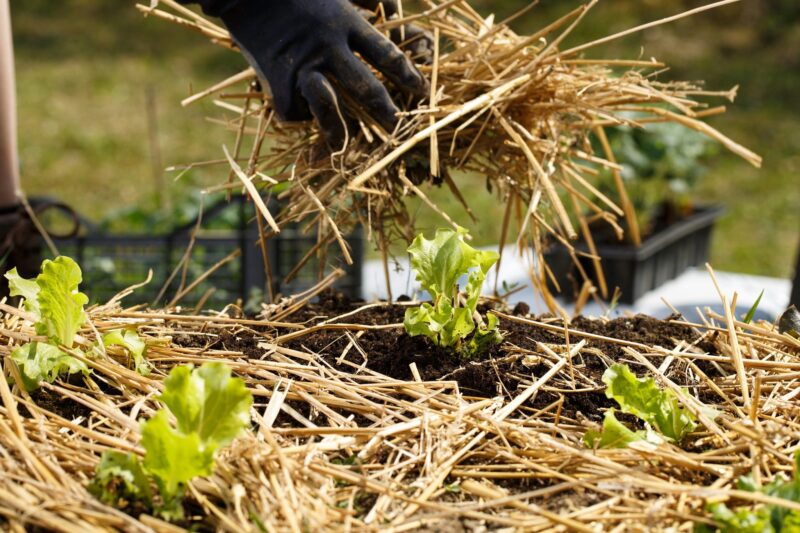
Proactive weed control reduces long term labor and limits dependence on chemical treatments.
Early action interrupts weed growth cycles before roots establish and seeds spread.
Focusing on timing, soil coverage, and plant placement creates conditions where weeds struggle to gain traction.
Timing and Pre-Emergent Use
Pre-emergent herbicides interrupt weed development at the seed stage, stopping growth before shoots break soil surface.
Early spring applications target summer annual weeds at their most vulnerable point.
Product selection matters because the grass type determines safety and effectiveness.
Commonly used options include:
- Crabgrass Control Plus with Prodiamine at 0.37 percent for broad turf protection
- Hi-Yield Atrazine suited for St. Augustine or centipede grass
- Mesotrione 4SC Select designed for precise, targeted control
Summer use fails to stop existing weeds and raises turf injury risk, especially during heat stress. Prevention succeeds only before germination begins.
Mulching Methods
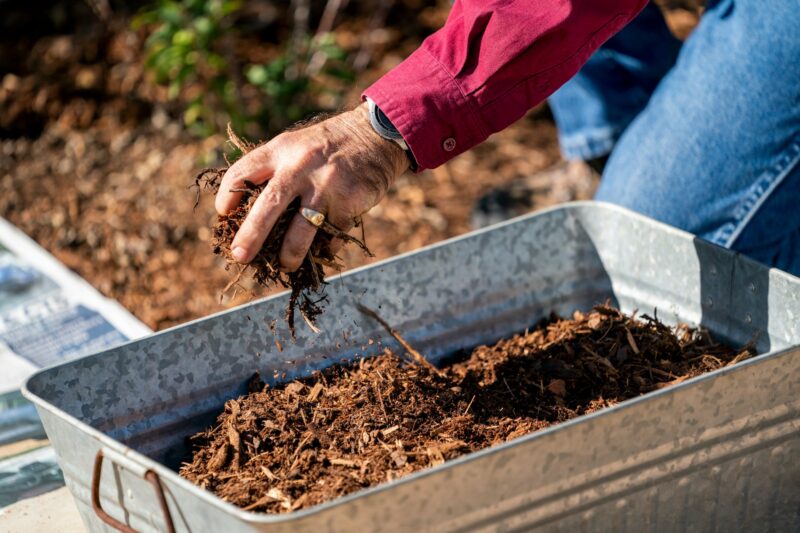
Mulch acts as a physical barrier that blocks light and limits seed activation.
Organic materials improve soil condition while encouraging beneficial insects that consume weed seeds.
Proper depth plays a key role, as too little allows light penetration while excess depth restricts airflow.
An effective application follows several key practices:
- Maintain close to two inches of mulch depth
- Avoid exceeding three inches to prevent moisture buildup
- Pair mulch with cardboard or newspaper as a base layer for added suppression
Large infestations respond well to saturation of soil, followed by newspaper coverage and roughly 100 millimeters of mulch left undisturbed for three to six months.
Plant Spacing and Bed Design
Dense planting limits exposed soil and reduces available space for unwanted growth.
Grouped plantings create shade that cools soil and blocks germination more efficiently than scattered layouts.
Living groundcovers serve a similar function while adding visual continuity.
Low-growing options that spread effectively include chamomile, thyme, and Isotoma.
Soil Health and Water Control
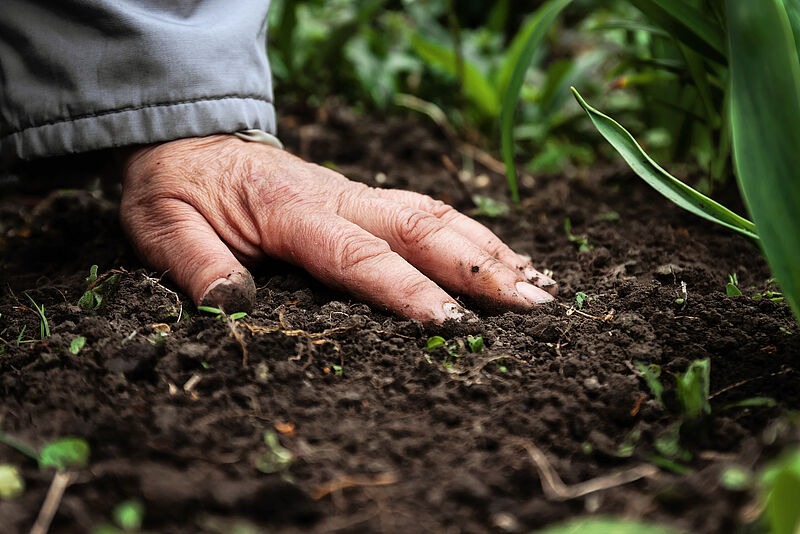
Healthy soil resists weed establishment by supporting strong root systems in desired plants. Organic matter improves:
- Structure
- Drainage
- Microbial activity
Water delivery also influences weed pressure.
Drip irrigation placed beneath mulch directs moisture only where needed, while overhead watering spreads moisture across bare soil and encourages germination.
Targeted irrigation keeps weed zones dry and less hospitable.
Hand Work and Manual Removal
Physical removal remains one of the most reliable weed control methods, especially during warm months.
Consistent effort prevents seed production and weakens root systems over time. Tools and timing determine success.
Hand Pulling Techniques
Moist soil allows roots to release more easily, making post-rain or post-irrigation periods ideal for hand pulling.
Removal must occur at the base to prevent regrowth.
Several simple tools improve efficiency and reduce strain:
- Garden trowels for digging around roots
- Fishtail weeders for taproot extraction
- Handheld weeders for tight spaces
- Old table forks for added leverage
Complete root removal limits return growth and reduces repeat labor.
Hoeing Practices
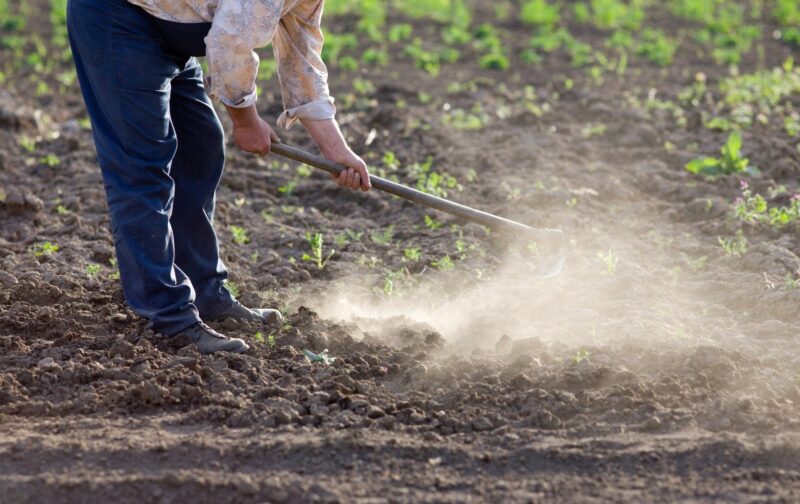
Hula hoes slice weeds just beneath soil surface, severing stems before roots strengthen.
Dry soil conditions preserve structure and prevent compaction.
Light, shallow passes performed regularly stop seedlings early, keeping beds manageable.
Cutting and Trimming
Deep rooted or established weeds often resist pulling.
Cutting seed heads prevents reproduction and limits spread.
Loppers and string trimmers equipped with blade attachments handle thick-stemmed plants such as thistle or ragweed.
Repeated cutting weakens plants gradually until growth declines.
Compost Safety
Weed seeds remain viable in cool compost piles and can reintroduce problems later. High heat remains necessary to neutralize seeds.
Effective methods include:
- Hot composting at or above 160°F
- Solarizing compost in clear bags for two to three days
- Heating material in a crock pot on low for three hours
Earthworms added afterward help restore microbial balance and improve finished compost quality.
Safe and Selective Treatments
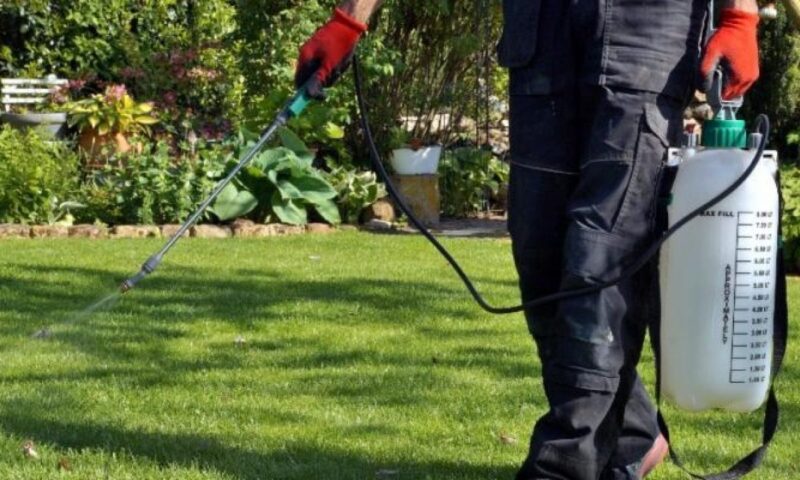
Chemical intervention works best as a last resort and only in targeted areas.
Careful timing and application protect desirable plants while reducing environmental impact.
Summer Use Guidelines
High temperatures increase plant stress and chemical volatility. Full lawn applications above 85°F cause more harm than benefit.
Spot treatment limits exposure and improves control accuracy. Precision matters more than coverage during summer conditions.
Spot Treatment Options
Liquid formulations penetrate foliage more effectively than granular products. Several options allow controlled application in sensitive areas:
- Mesotrione 4SC Select with syringe for precision dosing
- Hi-Yield Atrazine is designed for compatible grass types
Label instructions must always be followed since some products damage centipede or St. Augustine grass even during spot use.
Natural and DIY Methods

Non-chemical options offer quick results in limited areas. Boiling water destroys plant tissue on contact.
Vinegar works best during dry conditions, but affects any plant contacted.
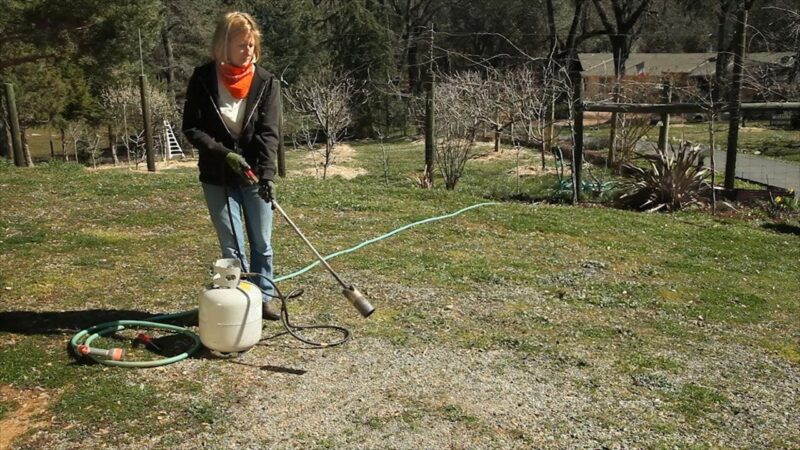
Weed torches eliminate growth in pavement cracks yet require caution and use only on non-flammable surfaces such as driveways or sidewalks.
n aquatic environments such as lakeshores or pond edges, an aqua blower can serve as an effective weed and muck control solution.
These systems provide strong directional water flow, which improves oxygen distribution, reduces stagnant zones, and helps clear floating debris without the use of chemicals.
They are particularly useful in maintaining water clarity, preventing algae buildup, and enhancing shoreline aesthetics.
Long-Term Weed Management

Sustained success depends on routine attention and seasonal planning. Gradual improvement occurs as seed banks decline and soil conditions stabilize.
Consistent Maintenance
Early seasons in newly cleared or neglected areas present the highest weed pressure.
Weekly attention prevents escalation.
Mowing unmanaged sections limits seed production until proper treatment becomes manageable.
- Seasonal timing guides effective action and reduces wasted effort.
- Spring emphasizes pre-emergents, mulching, and dense planting
- Summer prioritizes hand pulling, hoeing, spot treatments, and herbicide restraint
- Fall supports post-emergent use during cooler conditions
- Winter allows planning, soil improvement, and compost replenishment
Sustainable Practices
Long-term weed control benefits both growing spaces and surrounding ecosystems when methods focus on prevention and restraint.
Reduced chemical dependence lowers exposure risks and supports natural biological processes that keep soil productive and resilient.
Thoughtful choices protect not only plants but also people, animals, and nearby water sources.
Synthetic herbicides often travel through runoff or soil movement, reaching areas unintended for treatment.
Limiting use decreases contamination risks and preserves beneficial insects, pollinators, and microorganisms.
Manual techniques paired with organic materials allow weeds to be managed without disrupting the natural balance.
Organic mulch plays a central role by shielding the soil surface and improving structure over time.
Healthier soil supports stronger root systems that naturally suppress weed growth and reduce future pressure.
Several environmentally responsible practices contribute directly to safer weed management:
- Hand removal and hoeing eliminate weeds without chemical residue
- Organic mulch reduces germination while improving soil condition
- Targeted watering limits excess moisture that encourages unwanted growth
- Spot treatments restrict exposure when chemical use becomes necessary
Physical ability, time constraints, or property size may limit what can be handled manually.
Professional assistance offers support in such cases, especially when services prioritize low impact methods and selective treatments.
Responsible maintenance creates outdoor spaces that remain productive, safe, and sustainable over time.
Final Thoughts
Effective weed control depends on layered strategies that prioritize prevention, physical removal, and careful treatment.
Spring preparation, summer handwork, and selective applications create lasting results.
Sustainable methods improve plant health while protecting environmental safety and long-term garden performance.