

A garden fence can last decades, and most of that time it sits quietly marking a boundary. That long life is exactly why its materials matter. Recycled materials, from reclaimed timber to plastic lumber and even glass bottles, promise to keep waste out of landfills and reduce the demand for new raw materials. The real question is whether those promises hold up once the fence is installed, weathered, and asked to do its job for years.
Table of Contents
- What Makes a Garden Fence Sustainable?
- Reclaimed Wood and Natural Posts
- Recycled Plastic Lumber and Posts
- Upcycled Bottle Panels
- Comparing the Options
- Where Composite Fencing Fits
- Trade-offs to Watch For
- The Bottom Line for Your Garden
What Makes a Garden Fence Sustainable?
Sustainability in fencing is not just about what the boards are made of. A fence can be sourced responsibly, built with low-impact processes, and still be replaced every few years, which undoes much of that benefit. When you judge a fence, it helps to look at a few specific factors:
- Recycled or reclaimed content: Does the material come from waste streams or salvaged structures rather than virgin resources?
- Durability: How many years will it last before it needs replacing?
- Maintenance: Does it need regular staining, sealing, or chemical treatment?
- End of life: Can the material be reused or recycled again when the fence comes down?
The U.S. Environmental Protection Agency describes the broader principle clearly in its best practices for reducing, reusing, and recycling construction and demolition materials, noting that designing for reuse and disassembly can cut waste and extend a product’s useful life. Garden fencing fits that logic well, because it is often removed and rebuilt over time.
Reclaimed Wood and Natural Posts
Reclaimed timber is often the most intuitive choice. Old barn boards, pallet wood, and rounded tree trunks can be turned into attractive rustic fencing without cutting a new tree. A fence built from salvaged lumber keeps usable material out of the dump and gives it a second working life.

Rounded tree trunks make a durable, low-processing boundary for open countryside gardens.
The catch is treatment. Many posts sold as “pressure treated” have historically used copper-based preservatives, and older formulations contained arsenic. A Brazilian study on recycled plastic posts noted that chromated copper arsenate (CCA)-treated posts can release arsenic, chromium, and copper into soil and groundwater, which is one reason researchers have been looking for alternatives. If you reclaim wood, ask where it came from. Old treated timber should not be burned or used around edible plants.
Recycled Plastic Lumber and Posts
Recycled plastic lumber is made by melting down post-consumer plastics, often polyethylene and mixed streams, and molding them into boards and posts. Its appeal is practical:
- It does not rot, split, or attract termites.
- It typically needs no staining, sealing, or chemical preservatives.
- It keeps plastic waste from ending up in landfills or the environment.
The EPA’s archived review of plastic lumber in landscaping applications lists fences, posts, borders, and raised beds among its uses, and points to reduced maintenance costs and avoided wood preservative use as key benefits. A more recent life-cycle study of recycled mixed plastic as a replacement for exterior treated wood reported greenhouse gas reductions of up to 70% in certain applications, largely because the material avoids the maintenance cycle that wood requires.
Plastic lumber is not structurally identical to wood, though. Field testing on a pier built with plastic lumber found that its modulus of elasticity dropped by about 45% after a year of weathering before recovering somewhat in the second year. For a garden fence that mainly holds back wildlife or marks a property line, that is usually acceptable. For a tall, wind-loaded privacy screen, it deserves a closer look at the spec sheet.
Upcycled Bottle Panels
Beyond lumber and posts, some gardeners and designers are building fence panels and garden walls from discarded containers. Plastic bottles stacked in mesh or wire cages can form lightweight screens, while glass bottles set in mortar create a glowing, textured wall that works well in sheltered spots.
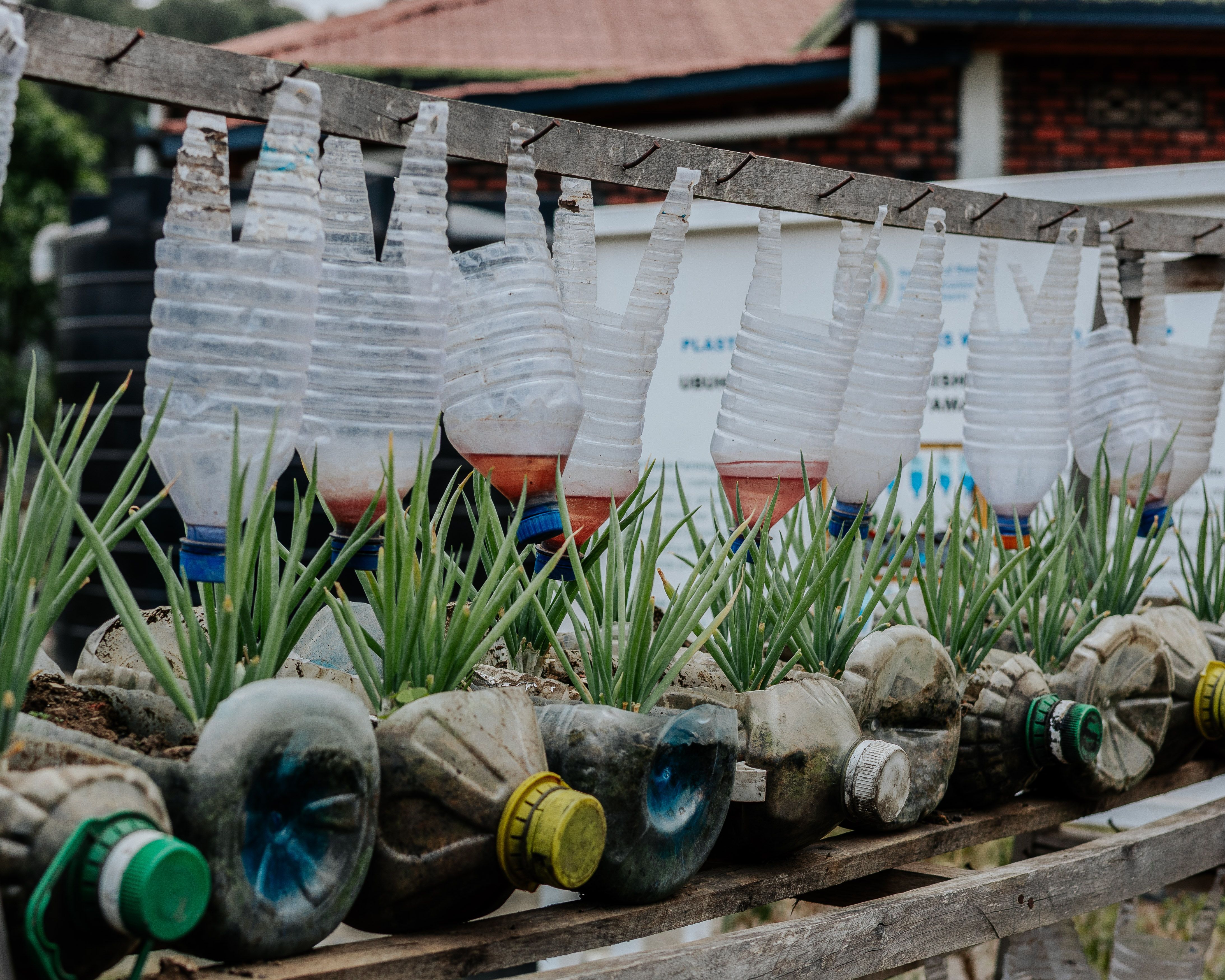
Upcycled plastic bottles can be turned into planters and screens for vertical gardens.
These projects are visually striking and genuinely resourceful, but they come with limits. Bottle panels are rarely engineered for load or long-term UV exposure, and loose bottles can crack or fade. They are best treated as decorative features or low screens rather than primary perimeter fencing. Academic work on fence panels made from landfill-sourced plastics has explored how to improve their strength and sound absorption, which suggests that engineered versions may eventually become more practical.
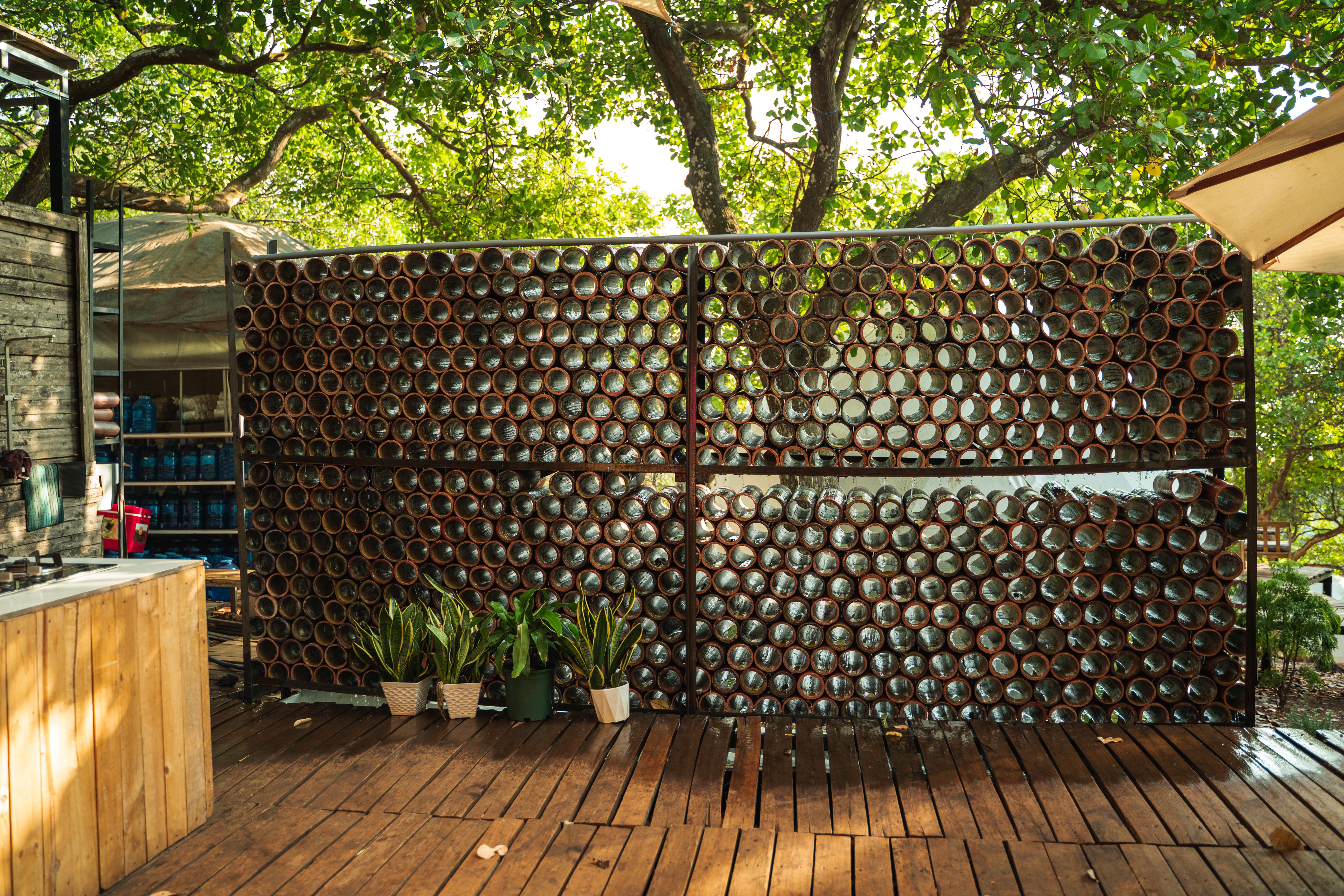
Glass bottle walls add texture and light while diverting bottles from the recycling stream.
Comparing the Options
The table below summarizes how the main options compare for a typical residential garden. Ratings are general guidance and will vary by product and climate.
Where Composite Fencing Fits
For many homeowners the middle ground is a manufactured product that blends recycled content with long-term performance. Composite fencing is typically made from a mix of wood fibers and recycled plastic, which lets it look like timber while resisting rot and insects. It is a practical option when you want a finished, uniform look and low upkeep, though you should check the manufacturer’s stated recycled content rather than assuming it is high.
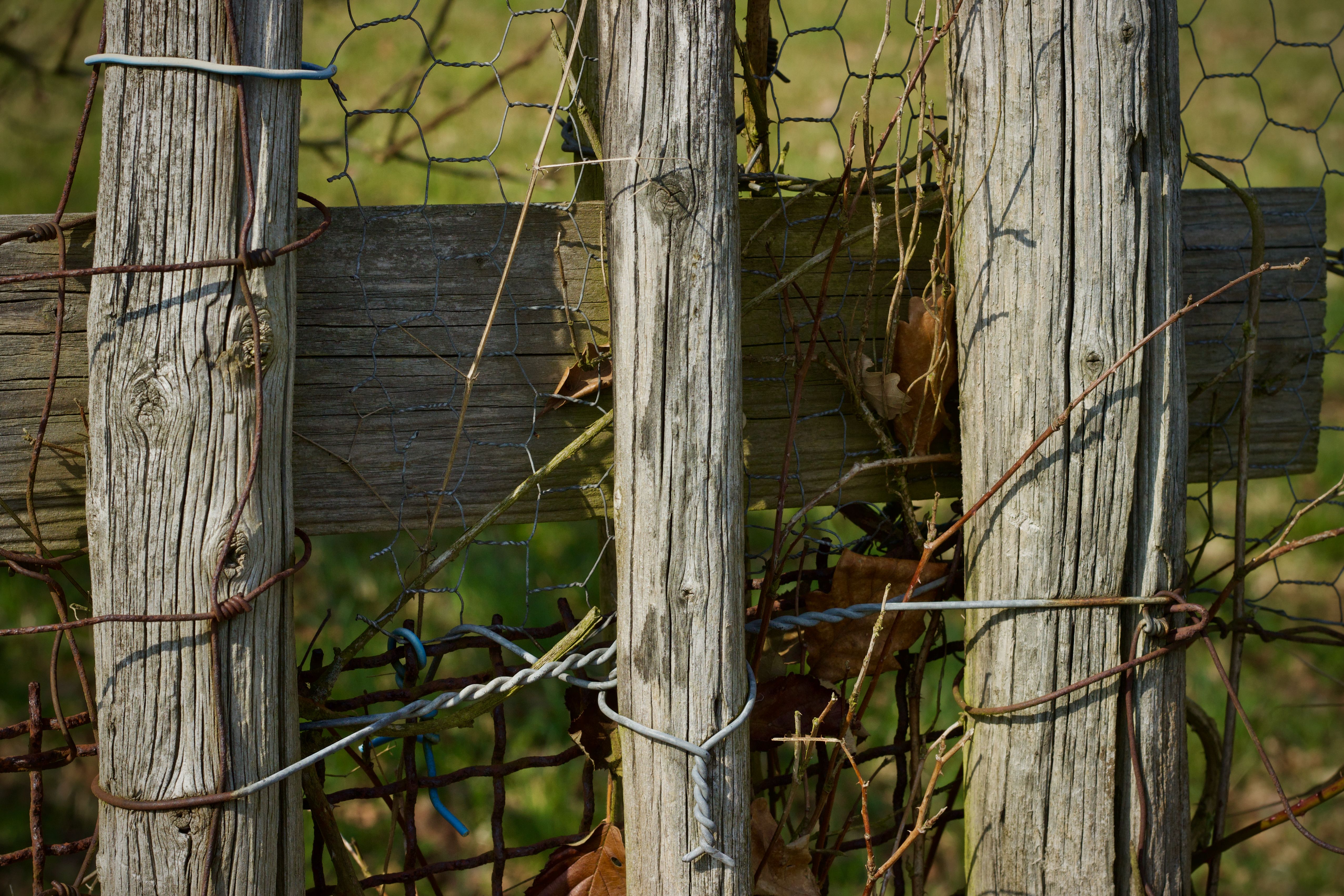
Traditional wood fencing still plays a role where a natural texture matters most.
Trade-offs to Watch For
No recycled fence is automatically the greenest choice. Before you buy, keep these points in mind:
- Transport: Heavy plastic lumber can carry a larger freight footprint than local timber.
- Strength: Plastic and bottle-based panels may sag, flex, or crack under wind and snow loads.
- Chemicals: Reclaimed wood may carry old preservatives, so confirm its history before use near food crops.
- Lifespan: A fence that lasts 40 years with little upkeep can beat a cheaper one replaced every 10.
- Disposal: Check whether the product can be recycled or reused at the end of its life.
The EPA’s National Strategy to Prevent Plastic Pollution emphasizes that products should be designed for responsible management once they become waste. That principle is a useful test for any fence: how it will be managed after its service life matters as much as what it is made from.
The Bottom Line for Your Garden
Recycled materials can make garden fencing meaningfully more sustainable, especially when they replace virgin timber or chemically treated posts and cut down on maintenance over the years. Reclaimed wood suits rustic boundaries, recycled plastic lumber suits long-lived posts and rails, and upcycled bottle panels suit decorative screens. Composite products offer a middle path for those who want a polished look with recycled content. The most sustainable fence is the one that fits your site, lasts longer than you expect, and can be reused or recycled when the time comes.