

Every new driveway, roof, and parking pad changes where rain goes. Before construction, most of that water soaked slowly into soil or got pulled up by roots. After construction, it races across hard surfaces, picks up oil, fertilizer, and loose dirt, and dumps it all into the nearest creek.
The good news? Most of that damage gets decided long before a shovel hits the ground, during site planning.
Why Runoff Becomes a Problem After Construction
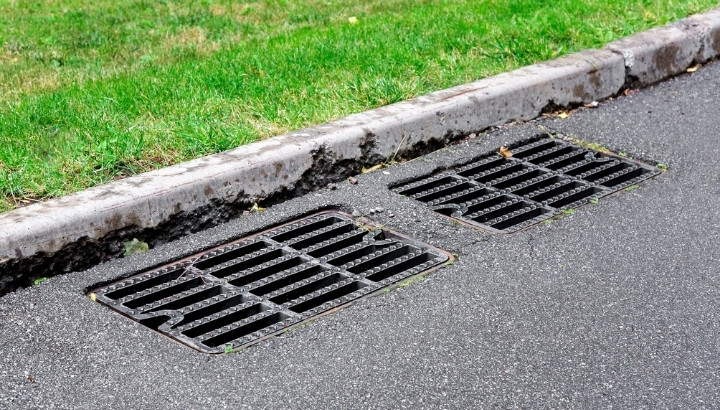
Data from the Federal Highway Administration shows that land with natural ground cover sends roughly 10 percent of rainfall off as runoff, while areas with 75 to 100 percent hard surfaces send about 55 percent.
That is more than a fivefold jump, and the water moves faster too. Faster water carries more sediment, warms up on sunbaked pavement, and hits streams in sudden surges that scour banks.
Sediment is one of the most overlooked pollutants in this chain, which is why sediment pollution needs more attention in environmental policies. Nutrients from lawns add another layer of trouble, feeding algae blooms that choke oxygen out of ponds and lakes. Once that happens, a lake can stay unhealthy for an entire summer.
The Site Planning Moves That Cut Runoff Most

Not every strategy carries the same weight. Some cost almost nothing if you think about them early, while others need real engineering. The sections below start with the cheapest wins.
Start With What the Land Already Does Well
Walk the property after a heavy rain if you can. Notice where water pools, where it sheets across the ground, and where it disappears quickly. Those natural drainage paths and well draining soil pockets are free infrastructure, and smart site planning places buildings around them instead of on top of them.
Keep mature trees and topsoil in place too, since soil compacted by heavy equipment absorbs far less water.
Shrink and Break Up Hard Surfaces
Every square foot of pavement you skip is a square foot of rain that never becomes runoff. You do not need to give up convenience to get there. A few practical moves make a noticeable difference:
- Narrow the driveway or use two concrete strips with grass between them
- Choose permeable pavers or porous asphalt for patios and parking pads
- Route downspouts onto lawns or planted beds instead of driveways
- Build up rather than out to keep the footprint compact
Build in Green Infrastructure

Rain gardens, bioswales, green roofs, and rain barrels all follow the same logic: slow the water, spread it out, and let it soak in. The EPA notes that green infrastructure captures and filters stormwater while also restoring wildlife habitat and cutting property damage from flooding.
Harvested rainwater can also water gardens in dry months, which ties directly into why water conservation should be a global priority.
Each option fits a different spot on the lot.
| Practice | What it does | Where it works best |
|---|---|---|
| Rain garden | Holds runoff so it can soak in | Downhill from downspouts |
| Bioswale | Slows and filters water moving across a site | Along driveways and parking areas |
| Green roof | Absorbs rain before it reaches the gutter | Flat or low slope roofs |
| Rain barrel | Stores roof water for later use | Small lots with garden beds |
Plan the Construction Phase, Not Just the Finished Site
Bare dirt during construction is the riskiest moment for nearby streams. Silt fences, stabilized entrances, phased grading, and quick reseeding keep soil where it belongs. Faster build methods help as well, which is part of the environmental logic of prefabricated homes, since factory built sections leave ground exposed for less time.
How Stormwater Rules Differ From State to State
Federal law sets the floor. As the Minnesota Stormwater Manual explains, the federal government requires construction stormwater permit coverage for sites that disturb one acre or more, and states build their own programs on top of that. Some stay close to that floor, while others go much further.
The Strict End of the Spectrum
Washington sits near the top. Under the state’s municipal stormwater permit, the City of Bellevue explains that projects creating more than 2,000 square feet of new and replaced hard surface, or disturbing 7,000 square feet of land, must meet stormwater requirements, single family homes included.
That threshold can catch a large garage and driveway.
New Jersey made green infrastructure mandatory rather than optional. According to Scarinci Hollenbeck, the state’s updated Stormwater Management Rules took effect on March 2, 2021, and require major developments to manage runoff close to its source through infiltration, vegetation, or storage for reuse.
A major development there generally means disturbing one acre or adding a quarter acre of regulated impervious surface.
Florida went after nutrients instead. Its statewide stormwater rule, summarized by Protecting Florida Together, sets minimum reductions for phosphorus and nitrogen that reach 95 percent for projects draining to impaired Outstanding Florida Waters. Those standards took full effect at the end of 2025.
The Lighter Touch
Elsewhere, the trigger sits much higher. Minnesota requires one inch of runoff from new impervious surfaces to stay on site, but only after a project adds an acre of hard surface. In states that stick to the federal floor, a home disturbing under an acre may need no state permit at all.
Here is a quick comparison.
| State | What triggers the rules | What stands out |
|---|---|---|
| Washington | 2,000 sq ft of new plus replaced hard surface, or 7,000 sq ft disturbed | Reaches many single family homes |
| New Jersey | 1 acre disturbed or a quarter acre of regulated impervious surface | Green infrastructure is required |
| Florida | Projects that need an Environmental Resource Permit | Nutrient reductions up to 95 percent |
| Minnesota | 1 acre or more of new impervious surface | One inch of runoff retained on site |
Turning Good Intentions Into an Approved Plan
View this post on Instagram
All of these ideas only work if they show up clearly on paper. Reviewers want to see property lines, hard surfaces, drainage direction, setbacks, and the location of every downspout, swale, and rain garden.
Getting those details right the first time is easier with accurate drawings, and site plans from Get A Site Plan are one option for homeowners who need a clean, permit ready layout. Whatever route you choose, check with your city or county early, since local ordinances often add their own requirements.