
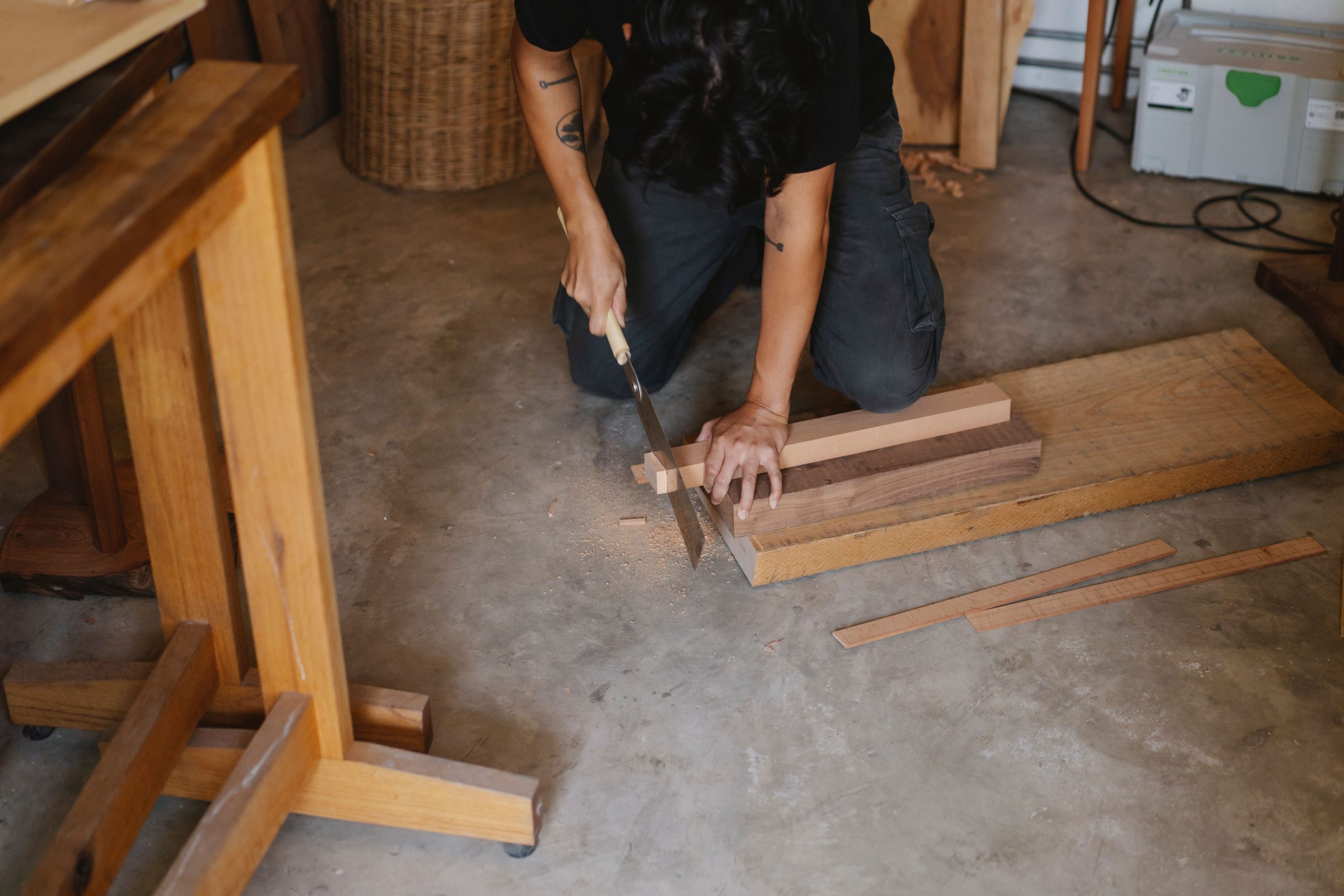
A piece of plywood with a missing corner, an acrylic sheet covered in awkward gaps and a pile of fabric scraps all have something in common. Someone paid for the material that ended up on the floor.
Cutting waste is easy to ignore when the pieces are small. However, a workshop that regularly throws away 15% of its material is effectively paying for more supplies than its finished products need.
Much of that waste can be prevented before the first cut. Better measurements, smarter cutting layouts and careful use of leftover pieces can make a substantial difference, especially when working with expensive materials.
Wood, acrylic and fabric each come with their own challenges. A cutting method that saves plywood might ruin a patterned fabric, and a layout suitable for acrylic might ignore the direction of wood grain.
Plan the Cutting Layout Before Touching the Material
One of the simplest ways to reduce waste is to arrange every required piece on paper or in design software before cutting anything.
In manufacturing, the process is called nesting. Instead of placing pieces randomly across a sheet, you arrange them to use as much available material as possible.
For example, imagine cutting six rectangular panels from a sheet of plywood. Placing every panel in the same direction might leave a long strip too narrow to use. Rotating some panels, where grain direction permits, could create enough room for another useful piece.
Specialized nesting software can arrange parts automatically, accounting for dimensions, spacing and manufacturing constraints. For smaller projects, graph paper and cardboard templates can accomplish much of the same planning.
The important step is checking the entire layout before making an irreversible cut.
Remember That Every Cut Removes Some Material
A common mistake is calculating only the finished dimensions of the pieces.
A saw blade removes a narrow strip of material as it cuts. The width of that strip is called the kerf.
Consider a wooden board measuring 2,400 mm in length. You want four pieces measuring exactly 600 mm each.
Mathematically, four pieces fit perfectly. Physically, they do not, because the saw blade removes material during every cut.
If the blade produces a 3 mm kerf, the board is too short to provide four finished pieces of 600 mm.
Measure the actual kerf of your tool and include it in the cutting plan. The Oregon State University cutting guide explains how saw teeth create the cut opening and why accurate marking is necessary.
Laser cutting also removes material, although the kerf is generally much narrower. Ignoring it can still cause problems when making tightly fitted components.
How to Reduce Waste When Cutting Wood
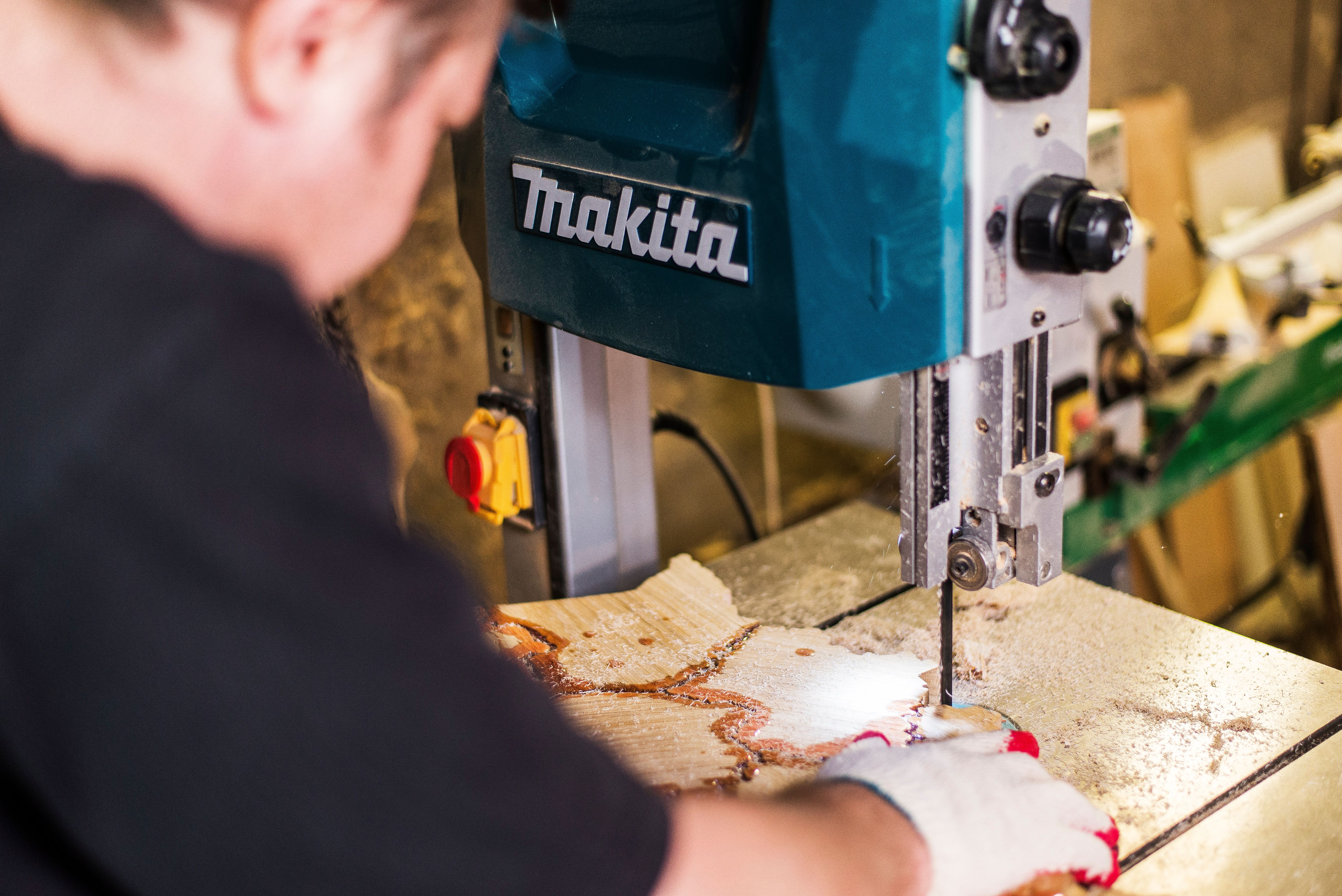
Wood presents an interesting challenge because its grain, knots and natural defects can influence where a piece should be cut.
A cutting plan that uses the entire board is not particularly successful if the finished parts are weak, badly positioned or unsuitable for their intended purpose.
Cut Around Defects Instead of Discarding the Whole Board
Inspect timber before marking it. Look for splits, loose knots, warping and damaged edges.
A long board with one defective section may still provide several shorter pieces. Mark usable sections first, then decide which parts of the project fit those dimensions.
For decorative pieces, some knots may be acceptable. Structural components need greater attention to grading, strength and applicable building requirements.
Cut Larger Pieces Before Smaller Ones
If a project needs long shelves and short supporting blocks, cut the shelves first.
The remaining sections may provide enough material for the blocks. Starting with the smallest pieces could leave the board too short for the main components.
Keep a list of upcoming projects when planning cuts. A leftover piece that seems useless today could become a bracket, spacer or drawer divider next week.
Use Standard Sizes When Designing Projects
Project dimensions can determine how much material gets discarded.
If a design requires panels measuring 610 mm wide but the available sheets accommodate 600 mm panels more efficiently, a small design adjustment may reduce waste considerably.
Changes must preserve the required strength and function. However, planning dimensions around available stock is one reason factory-built construction reduces material waste through standardized components and repeatable cutting plans.
How to Reduce Waste When Cutting Acrylic Sheets
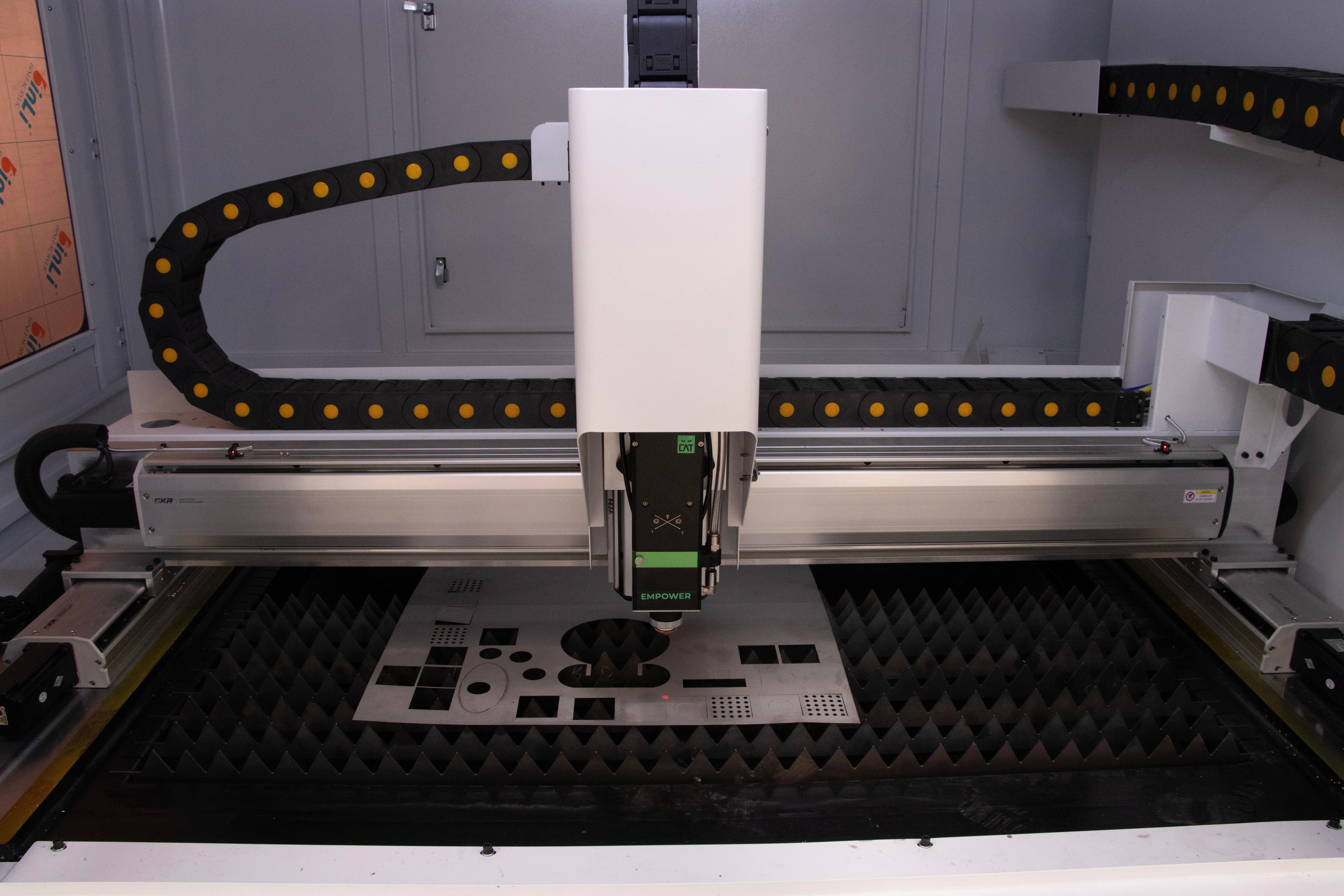
Acrylic is widely used for signs, display cases, decorative panels and custom products. Its clean appearance makes cutting mistakes particularly noticeable.
Unlike timber, a badly scratched or cracked acrylic piece may have limited opportunities for repair or reuse.
Start by checking the sheet thickness and dimensions. Keep the protective masking in place during preparation and cutting when the process and material manufacturer permit it.
Group Similar Shapes Together
Suppose you are producing several acrylic signs with rounded corners.
Placing every sign in a separate rectangular area can waste material around the curved edges. Rotating compatible shapes and arranging them closer together may improve material use.
Maintain enough spacing for the cutting method, heat effects and safe removal of finished pieces.
Some production layouts can share a cutting line between adjacent parts, but only when the process supports it and the resulting dimensions remain accurate.
Reduce Errors With Digital Cutting Plans
For repeated shapes and detailed designs, suitable laser cutting machines can follow digital cutting paths with consistent positioning.
CO2 laser systems are commonly used for cutting compatible acrylic and wood products. They can also process certain fabrics, depending on their composition and the machine configuration.
Precision alone does not eliminate waste. A poorly arranged digital design can waste just as much material as a poorly planned manual cut.
Check the dimensions, cutting order and material compatibility before starting. Test unfamiliar material using a small sample rather than risking an entire sheet.
Never Assume Every Clear Plastic Is Acrylic
Different plastics can look similar but behave very differently under heat.
For example, PVC must not be laser cut because it can release dangerous and corrosive gases.
The MIT laser cutter safety guidance warns about hazardous emissions and emphasizes confirming material composition before cutting.
Use suitable extraction equipment and never leave an operating laser cutter unattended. Safe material handling is essential, even when the goal is to reduce waste.
How to Reduce Fabric Waste When Cutting Patterns
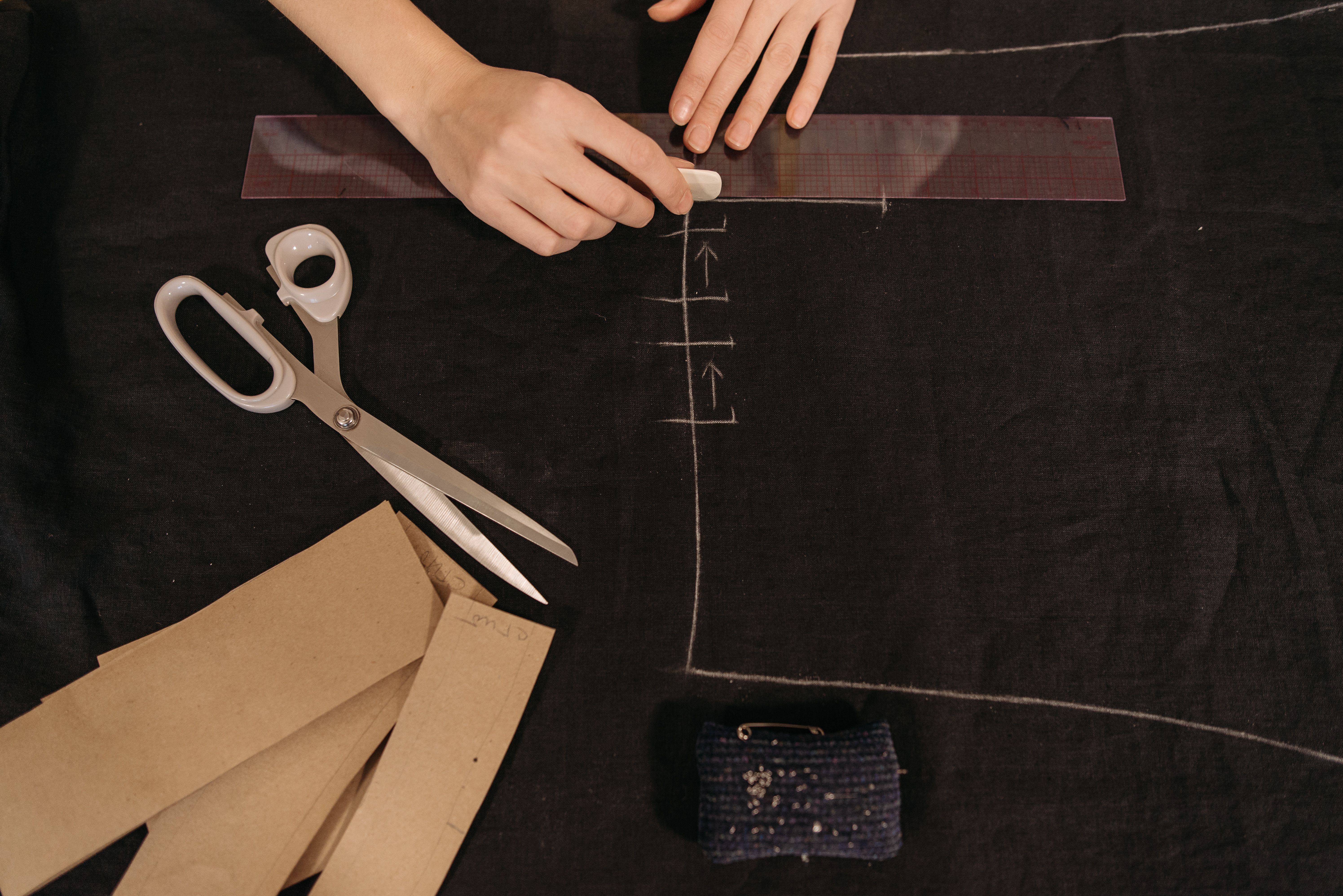
Fabric cutting creates a different problem. The shapes of sleeves, collars and trouser legs rarely fit together neatly.
Curved edges leave gaps that can become substantial amounts of unused fabric, particularly during repeated production.
Research published in Fashion and Textiles identifies cutting as a major source of waste in garment manufacturing. It explains how pattern arrangement, fabric dimensions and the spaces between pieces affect material use.
Arrange Every Pattern Piece Before Cutting
Place all pattern pieces on the fabric before reaching for the scissors.
Try different arrangements to reduce gaps. Small components such as pockets, cuffs and collars can sometimes fit between larger pieces.
However, fabric direction cannot always be changed freely.
Woven fabric patterns generally specify a grainline. Cutting pieces at the wrong angle can affect how the finished garment hangs or stretches.
Printed designs, stripes and fabrics with a directional surface also require careful positioning.
A layout that uses slightly more fabric may still be necessary to produce a garment that fits correctly.
Use Smaller Scraps for Useful Accessories
Fabric leftovers offer many possibilities, provided the pieces are clean and suitable for their intended use.
Long cotton strips can become fabric ties or binding. Larger scraps may be suitable for pockets, patchwork or small bags.
Small pieces of matching material are also useful for repairing garments. Keeping a few scraps can save the trouble of searching for the same fabric later.
Separate scraps by material type and size. A box filled with mixed, tangled fabric becomes difficult to use, but clearly organized pieces are easier to include in future projects.
Compare Material Waste Before and After Changing Your Cutting Layout
Measuring waste gives you a much clearer picture than simply noticing that the scrap bin looks emptier.
For flat sheets, calculate how much usable material becomes finished pieces.
Consider a hypothetical acrylic sheet measuring 1,000 mm by 600 mm. Its total area is 600,000 square millimeters.
If the finished parts occupy 450,000 square millimeters, material utilization is 75%.
After rearranging the same parts, suppose the layout uses only 540,000 square millimeters of stock. The same finished parts now represent 83.3% of the area used.
The figures illustrate the calculation rather than measured production results. Actual stock savings also depend on cutting width, defects and the ability to reuse leftover sections.
Keep records of material purchased, finished products and discarded pieces. A repeated pattern of waste can reveal problems with design dimensions, cutting procedures or ordering quantities.
Store Leftovers So They Remain Useful
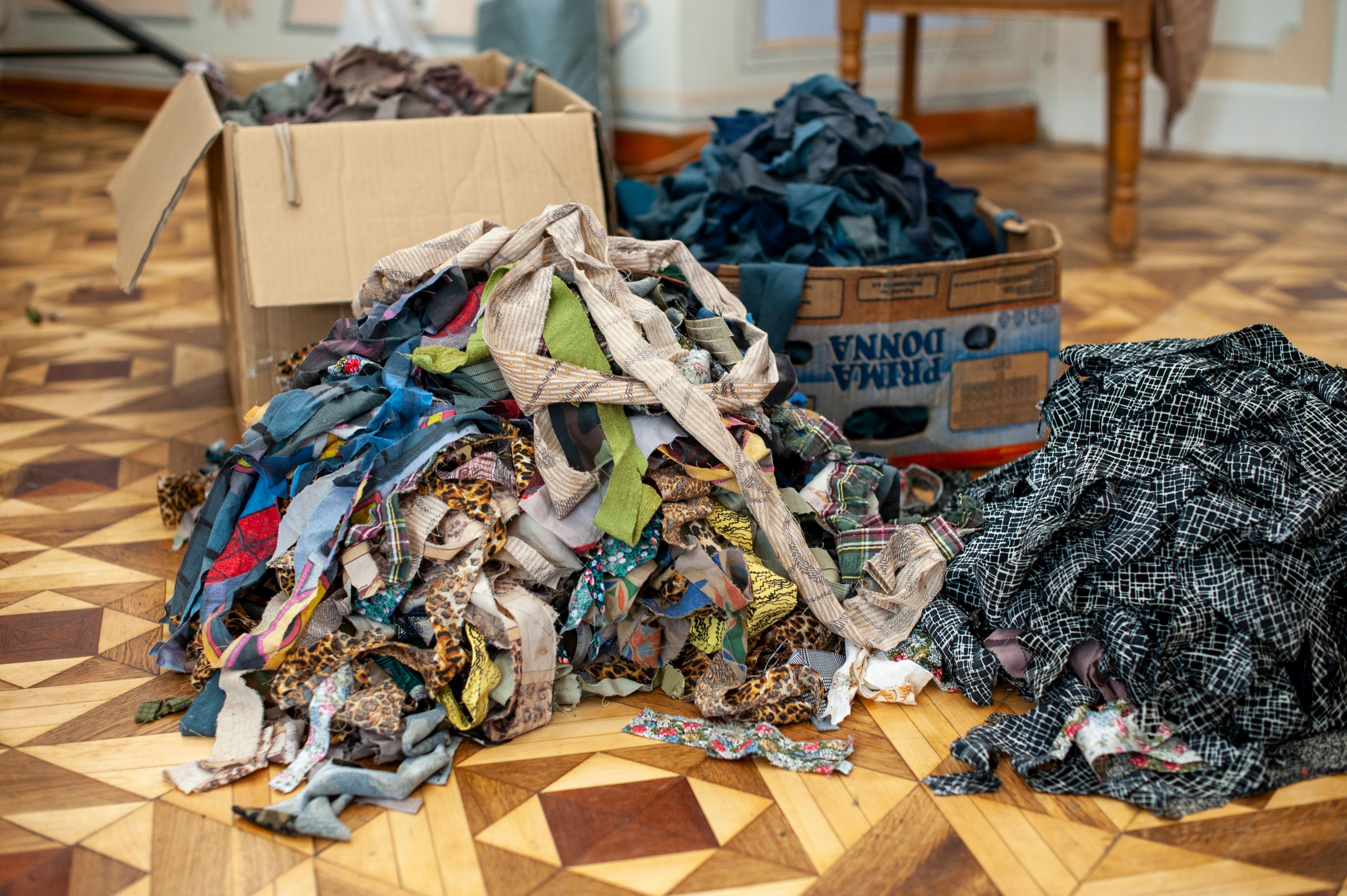
Saving every scrap can become another kind of waste if the workshop fills with pieces that nobody can find or use.
A simple storage system works better than an overflowing box.
- Wood. Label usable lengths and separate solid timber, plywood and treated materials.
- Acrylic. Store flat pieces carefully to prevent scratching and keep material types identified.
- Fabric. Sort by fiber composition, color and approximate dimensions.
Set a minimum size for keeping leftovers based on the products you actually make.
A workshop producing small wooden decorations may use pieces that a furniture workshop would discard. A clothing studio making accessories may find valuable uses for fabric scraps too small for full garments.
If suitable leftovers cannot be reused internally, explore local reuse organizations, material exchanges or recycling options.